Barclays Research Finds Humanoid Robotics On Track to Become a $200 Billion Market by 2035
Physical AI Emerges as the Next Major Industrial Growth Wave
This press release features multimedia. View the full release here: https://www.businesswire.com/news/home/20260114100182/en/
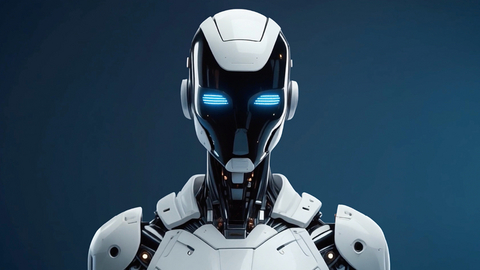
Humanoid Robot
Breakthroughs in AI reasoning, actuator technology and battery systems have cut production costs 30-fold over the past decade, paving the way for commercial adoption. As ageing populations and labour shortages intensify, humanoids could take on repetitive, physically demanding tasks — augmenting rather than replacing human workers in labour-intensive industries.
“Humanoid robots represent a structural shift in automation,” said
Barclays’ Impact Series uses data-driven analysis to explore economic, demographic and disruptive changes affecting markets, sectors and society at large. The key findings of today’s report include:
- Why now: Demographic pressures and labour shortages are creating demand for humanoids in manufacturing, logistics, healthcare and other sectors struggling to fill critical roles.
- The ‘three Bs’: Advances in brains (software), brawn (physical motion capabilities), and batteries are driving cost declines. Actuators — the robotic “muscles” — are the largest cost component, accounting for roughly 50% of humanoid production costs.
-
Industrial overlap: Humanoids share complexity with automotive manufacturing, offering
Europe a natural advantage. - Investment opportunity: As humanoid production scales, physical AI is emerging as the next major industrial theme — shifting value creation from software to hardware. This opens new upside for actuator makers, precision‑component suppliers and automation leaders who were largely absent from AI’s first wave.
Read the full report here.
About Barclays
Our vision is to be the
View source version on businesswire.com: https://www.businesswire.com/news/home/20260114100182/en/
claudia.gilbertallen@barclays.com
+442077732064
Source: Barclays
